The Lonely Road
Masculinity, Divorce, and Walking With God When No One Is Watching
Introduction: When the Noise Finally Stops
The Lonely Road is not something most men plan to walk—but many find themselves on it after divorce. The house is quieter. The routines are broken. The identity you wrapped yourself in for years suddenly feels loose, unfamiliar, and heavy.
For many men, divorce doesn’t just end a marriage—it exposes the places where strength was performative, faith was borrowed, and purpose was outsourced. The Lonely Road is where those illusions fall away. And strangely, it’s often where God finally has room to speak.
This is a story about masculinity tested by loss, faith refined in isolation, and what it really means to walk with God when no one is clapping, checking in, or watching.
I didn’t plan on walking the Lonely Road. No man really does. But there I was, papers signed, the house too quiet, the routines that once gave structure now scattered like an unfinished puzzle. For years I wrapped my identity in roles that made sense, husband, provider, family man. When that fell away, everything suddenly felt loose and strange, like wearing someone else’s coat. It’s disorienting how quickly purpose can leak out when the life you built no longer has walls to hold it.
What I learned later, slowly, uncomfortably, is that divorce doesn’t just end a marriage, it exposes you. It shows you where your strength was performative, where your faith was borrowed, and where you outsourced purpose to other people’s approval. The Lonely Road doesn’t let you hide. And ironically, it’s where I finally heard God without all the background noise. No applause, no check-ins, no “good job”, just the quiet refinement that happens when a man’s masculinity is tested in loss and his faith has to stand without an audience. It’s a hard place, but it’s also holy ground.
The Lonely Road and the Silent Weight Men Carry
Divorce hits men differently than most people realize.
Many men were taught to:
- Push through pain
- Provide without processing
- Stay strong without support
So when marriage ends, The Lonely Road becomes a place of silent suffering. Friends don’t always know what to say. Churches don’t always know how to engage divorced men. And men themselves often don’t know how to grieve without feeling weak.
This is where unhealthy masculinity collapses—but true masculinity can be rebuilt.
Redefining Masculinity on The Lonely Road
Strength Without an Audience
Masculinity isn’t proven by how quickly you “bounce back.”
It’s revealed by who you become when no one is watching.
On The Lonely Road, strength looks like:
- Sitting with grief instead of numbing it
- Choosing integrity when bitterness feels justified
- Owning your failures without drowning in shame
This is the road where men stop performing and start becoming.
“The Lord is close to the brokenhearted and saves those who are crushed in spirit.” — Psalm 34:18
Walking With God When No One Is Watching
Faith That Isn’t Borrowed Anymore
Divorce has a way of stripping faith down to its bones.
No more “we go to church.”
No more shared prayers.
No more borrowed belief.
On The Lonely Road, your faith becomes personal—or it fades.
This is where real spiritual discipline begins:
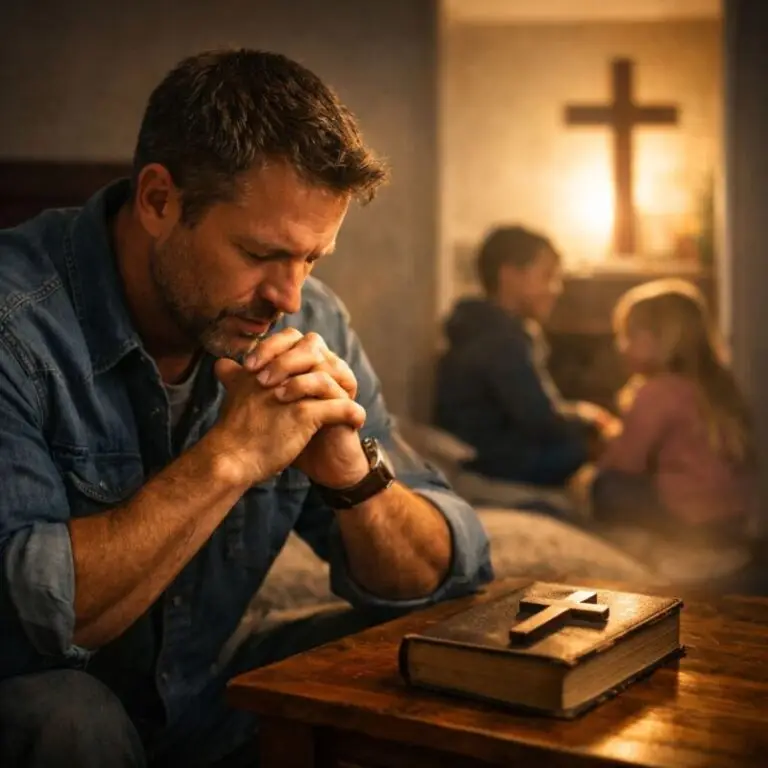
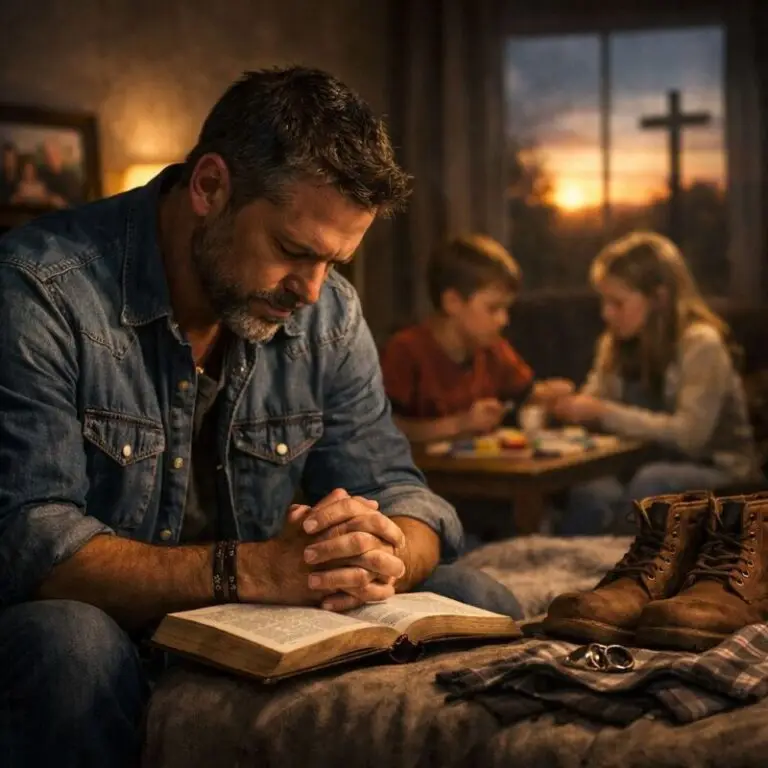
- Prayer without eloquence
- Scripture without spotlight
- Obedience without applause
God often does His deepest work in men when the crowd is gone.
The Lonely Road as a Place of Formation, Not Failure
Here’s the truth most men don’t hear:
The Lonely Road is not punishment—it’s preparation.
It’s where:
- Identity shifts from husband to son of God
- Leadership is rebuilt from the inside out
- Emotional strength is learned, not avoided
If you let it, this season can shape you into a calmer, wiser, more grounded man—one who leads with humility instead of control.
Relationships After Divorce: Leading With Wisdom, Not Wounds
One of the greatest tests on The Lonely Road is how you relate to others afterward.
Healthy masculinity asks:
- Am I healing, or just distracting myself?
- Am I honest about my wounds?
- Am I leading with clarity or carrying resentment forward?
This is where intentional growth matters. Men who do the work don’t just recover—they become safer, stronger partners, fathers, and leaders.
If you don’t walk this road intentionally, you risk repeating it.
You Don’t Have to Walk The Lonely Road Alone
Isolation feels natural after divorce—but it’s not what you were made for.
Support, brotherhood, and wise guidance matter. That’s why many men choose to
👉 schedule a free 60-minute consultation call
to process where they are, where they’re headed, and what kind of man they want to become next.
You can also find strength and connection through the weekly Motivated Men’s Group and other resources at Northman Coaching, where men grow in faith, leadership, and purpose together.
Stay connected and encouraged through:
Growth happens faster when you don’t pretend you’re fine.
Conclusion: Keep Walking
The Lonely Road is hard—but it’s holy ground.
If you keep walking:
- God will meet you
- Strength will deepen
- Purpose will clarify
You’re not behind. You’re not broken. You’re being rebuilt.
And the man on the other side of this road will be quieter, steadier, and more dangerous to despair than the man who entered it.
FAQs
Is divorce a failure of masculinity?
No. Avoiding responsibility is a failure. Facing truth, owning mistakes, and growing afterward is mature masculinity.
How can I reconnect with God after divorce?
Start small. Honest prayer. Daily Scripture. Quiet consistency. God honors presence more than performance.
Why does divorce feel so isolating for men?
Men are often taught to suppress emotion and avoid vulnerability. Without intentional support, isolation becomes the default.
Can this season actually make me stronger?
Yes—if you engage it intentionally. The Lonely Road can produce depth, wisdom, and clarity if you do the work.