The Quiet Influence of a Father
Divorce can leave a father wondering what his role truly looks like now. The routines may change, the home may look different, and time with the kids may feel more limited. Yet one truth remains powerful: a father can still shape the spiritual atmosphere of his children’s lives.
Being the Spiritual Anchor isn’t about having perfect answers or preaching sermons at the dinner table. It’s about stability. It’s about showing your children what faith looks like when life doesn’t go as planned.
Many kids watch closely—especially after divorce—to see how their father handles hardship. Do you become bitter? Do you withdraw? Or do you stay grounded in God, showing them that faith isn’t just for good seasons?
For a divorced father, being the spiritual anchor may be one of the most important callings he has.
What Being the Spiritual Anchor Really Means
At its core, being the spiritual anchor means creating a sense of steady faith in the middle of uncertainty. Kids don’t need a perfect father—they need a father who knows where to turn when life gets heavy.
A spiritual anchor father does three simple things consistently:
-
He models faith in real life
-
He creates safe space for spiritual conversations
-
He demonstrates humility and growth
Children learn more from what you live than from what you say.
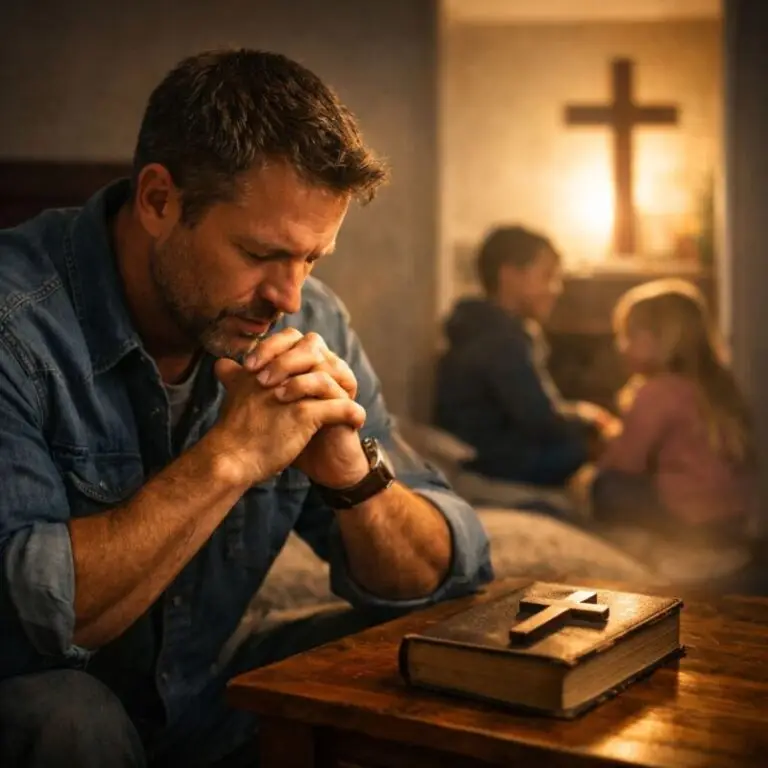
When they see you pray during difficult moments, take responsibility for mistakes, or lean on faith instead of anger, they begin to understand what resilient faith looks like.
How Being the Spiritual Anchor Shapes Your Children
Divorce often shakes a child’s sense of security. They may question stability, relationships, and even their identity.
That’s where being the spiritual anchor becomes powerful.
Stability in a Changing World
Your calm faith becomes a stabilizing force. When kids see their father grounded in purpose and belief, it reminds them that their world isn’t falling apart—it’s simply changing.
Even simple habits help:
-
Saying grace before meals
-
Talking about gratitude
-
Sharing what you’re learning spiritually
These small rhythms build long-term security.
Teaching Faith Through Hardship
Children learn their deepest lessons when watching how adults respond to pain.
If they see you handle divorce with integrity, forgiveness, and faith, they absorb something priceless: strength without bitterness.
You don’t have to hide your struggles. Instead, show them what growth looks like.
You might say things like:
-
“This season is hard, but God is still guiding us.”
-
“Sometimes life changes, but our values don’t.”
-
“We keep showing up, even when it’s tough.”
This is being the spiritual anchor in action.
A Personal Story: The Night Everything Changed
One father shared a moment that transformed how he approached parenting after divorce.
His kids were staying with him for the weekend. It had been a difficult week—lawyers, paperwork, and tension filled the air. That night, his daughter asked quietly:
“Dad… are we still going to be okay?”
He paused. He didn’t have every answer.
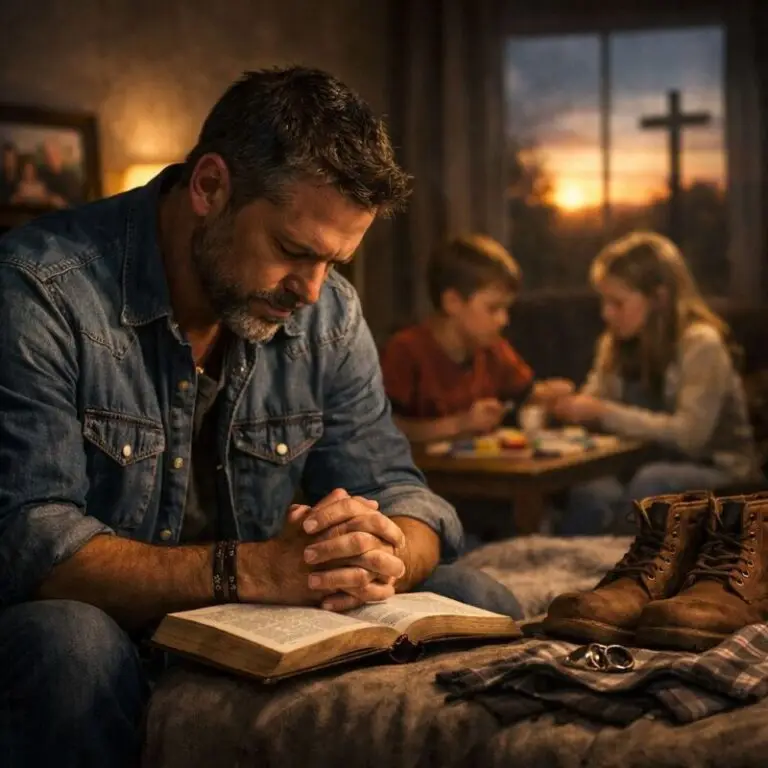
But he sat down with them on the couch and prayed out loud for the first time in front of his kids.
The prayer wasn’t perfect. His voice shook. But he asked God for strength, guidance, and peace for their family.
Years later, his daughter said that moment stayed with her.
She didn’t remember the words.
She remembered the example.
That night, without realizing it, he stepped into being the spiritual anchor for his children.
Practical Ways to Start Being the Spiritual Anchor
You don’t need to overhaul your life overnight. Anchors are built through small, consistent actions.
1. Lead Through Consistency
Kids trust what they see repeatedly.
Create simple rhythms:
-
Sunday reflection or church
-
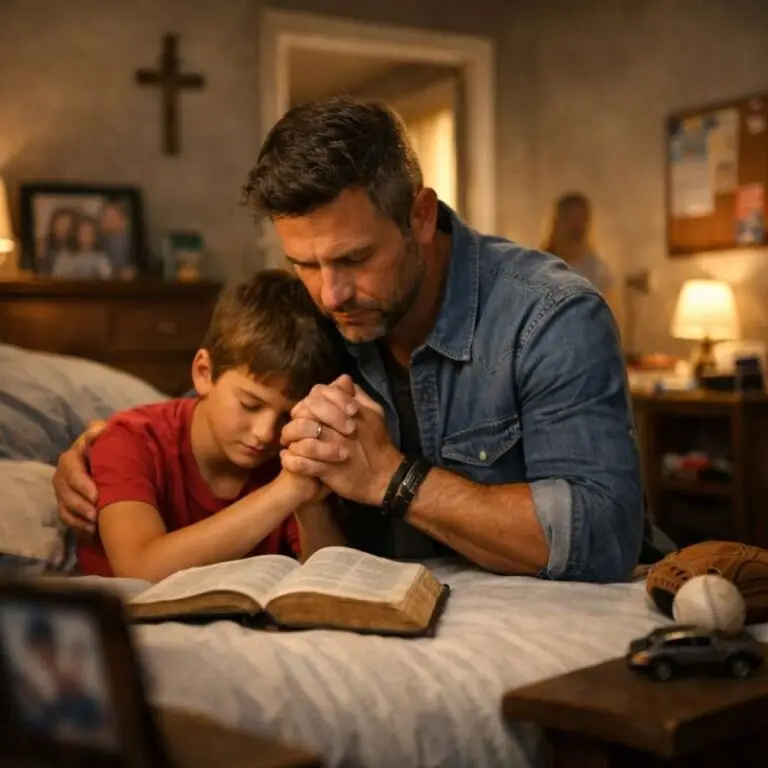
Bedtime prayer
-
Conversations about gratitude
Consistency builds spiritual memory.
2. Be Honest About Growth
Your kids don’t need perfection. They need authenticity.
Tell them:
-
When you’re learning something new about faith
-
When you made a mistake
-
When God helped you through a hard moment
This makes faith real and relatable.
3. Invite Them Into the Journey
Instead of lecturing, involve them.
Ask questions like:
-
“What do you think God teaches us during hard times?”
-
“What are you grateful for today?”
-
“What kind of man or woman do you want to become?”
These conversations deepen connection.
If you want support building these kinds of intentional habits as a father and leader, you can schedule a free 60-minute consultation to explore practical ways to strengthen your influence as a dad.
Why Being the Spiritual Anchor Matters for Fathers
Divorce doesn’t remove your influence—it actually magnifies it.
Your children are watching more closely now.
They’re asking questions like:
-
What does a good man do when life falls apart?
-
How does a father treat people after conflict?
-
What does faith look like when things hurt?
When you live out being the spiritual anchor, you quietly answer all of those questions.
If you’re looking for brotherhood with men pursuing this same growth, consider joining the Motivated Men’s Group or exploring the mission behind Northman Coaching.
You can also connect and continue the conversation through the Northman Coaching Instagram community, watch teaching content on YouTube, or join discussions inside the Legacy Crew Facebook Group.
Conclusion: Anchors Don’t Move With Every Storm
Storms will come. Divorce may be one of the hardest storms your family faces.
But anchors don’t eliminate storms—they keep the ship from drifting.
Being the Spiritual Anchor means your children always know where stability lives. It lives in your character. It lives in your faith. And it lives in the way you keep showing up, day after day.
You don’t have to be perfect.
You just have to stay anchored.
And when you do, your children learn how to anchor their lives too.
FAQs
What does being the spiritual anchor mean for fathers?
Being the Spiritual Anchor means modeling steady faith, integrity, and emotional stability so children feel secure even during difficult life seasons.
Can divorced fathers still lead spiritually?
Absolutely. Spiritual leadership isn’t about living in the same house—it’s about living with consistent values, faith, and presence when you are with your children.
How do I start spiritual conversations with my kids?
Start simple. Ask about gratitude, talk about lessons from hard moments, or pray together briefly before meals or bedtime.
What if I’m still figuring out my own faith?
That’s okay. Growth is powerful for kids to see. Let them watch you learn, ask questions, and seek wisdom.