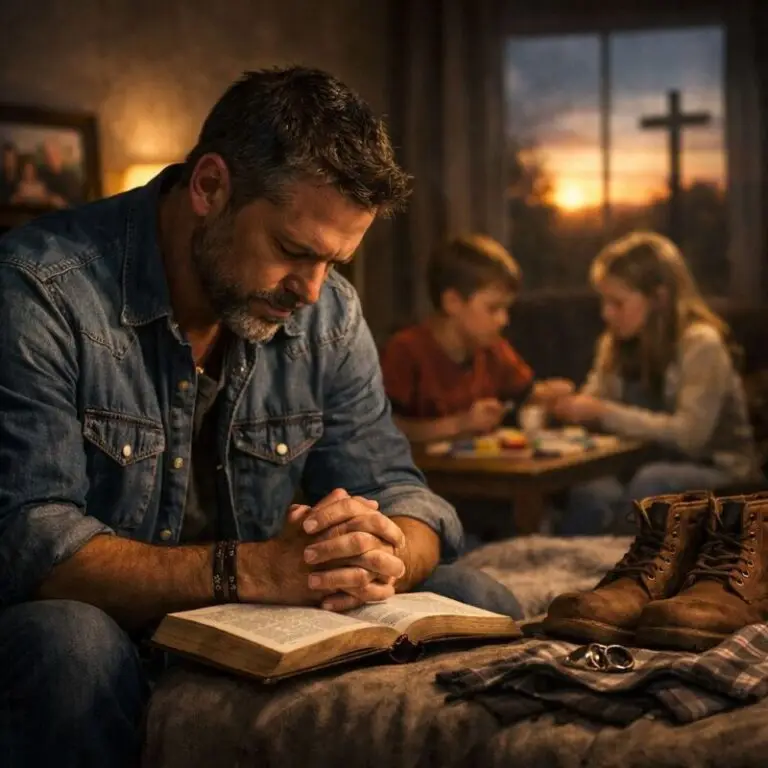
Provider to Protector From Survival Mode to Sacred Responsibility
There’s a moment after divorce when the noise finally dies down. The lawyers stop calling. The house is quiet. The routines are gone. And what’s left is a man asking a dangerous question:
“If I’m no longer the provider I used to be… who am I now?”
For years, your worth may have been tied to a paycheck, a role, or a title. But Provider to Protector isn’t about doing more—it’s about becoming more. Through faith, loss, and rebuilding, masculinity is redefined not by what you supply, but by what you stand for.
Provider to Protector: When Provision Is Taken Away
Divorce has a way of stripping a man down to the studs.
You may still provide financially—but the identity attached to that role can crumble overnight. Time with your kids is limited. Influence feels reduced. Authority feels questioned.
But Scripture reminds us that provision was never the highest calling.
“Be on guard. Stand firm in the faith. Be courageous. Be strong.” (1 Corinthians 16:13)
Strength isn’t only about income. Provider to Protector begins when a man realizes that presence, integrity, and spiritual leadership matter just as much—if not more—than provision.
Redefining Masculinity Through Faith After Divorce
Masculinity Isn’t Lost—It’s Refined
Faith doesn’t erase pain, but it gives pain a purpose.
After divorce, God often invites men into a deeper version of themselves:
- From earning to anchoring
- From fixing to leading
- From controlling to protecting
This shift from Provider to Protector isn’t passive. It’s intentional. It’s choosing discipline over distraction, prayer over pride, and courage over comfort.
If you’re looking for brotherhood during this season, the weekly Motivated Men’s Group exists for men walking this exact road—together.
Provider to Protector in Fatherhood and Relationships
Protection Looks Like Presence
You protect your children when you:
- Keep your word
- Show emotional steadiness
- Speak life instead of bitterness about their mother
- Model faith under pressure
You protect future relationships when you:
- Heal instead of harden
- Set boundaries instead of walls
- Lead with humility instead of fear
This is masculinity rebuilt on purpose—not reaction.
I didn’t understand for a long time that protection wasn’t just about stepping in front of danger, it was about stepping into responsibility.
After my divorce, I kept thinking protection meant shielding my daughter from the fallout, the tension, the legal battle, the adult conversations no kid should have to overhear. But over time I learned it also meant protecting her heart.
So I started with the small, unglamorous things:
I kept my word, even when it meant driving across town, over a bridge 45 minutes away in traffic for five minutes of face-to-face time.
I showed emotional steadiness, even on the days I felt hollow and unsure of myself.
I spoke life instead of bitterness about her mother, not because it was easy, but because her loyalty shouldn’t be a battlefield.
I modeled faith under pressure, letting her see me pray, surrender, and try again instead of break.
That was protection in the present.
But there was another layer in the Provider to Protector role: protecting what hasn’t happened yet.
Future relationships.
Future trust.
Future intimacy.
That required a different kind of work:
Healing instead of hardening.
Setting boundaries instead of walls.
Leading with humility instead of fear.
No one ever taught me that’s what masculinity is supposed to look like. I had to learn it by failing, by rebuilding, by facing the parts of myself I had ignored for years.
Protection, I realized, looks a lot like presence.
Not the presence of a man who shows up because he has to, but the presence of a man who chooses to, fully, consistently, and intentionally.
That’s masculinity rebuilt on purpose, not reaction.
If you want guidance navigating this transition, schedule a free 60-minute consultation call and start building a clear path forward.
Faith-Based Leadership Starts Within
You Can’t Protect What You Won’t Shepherd
Before a man can protect others, he must lead himself.
That means:
- Daily spiritual discipline
- Honest self-examination
- Accountability with other men
- Surrendering resentment to God
At Northman Coaching, this inner leadership is the foundation of everything—because men who lead themselves well protect others naturally.
You’re also invited to stay connected through:
Provider to Protector Is a Calling, Not a Demotion
Divorce doesn’t disqualify you—it clarifies you.
When provision alone is no longer enough, God invites you into protection:
- Protecting your heart
- Protecting your children’s future
- Protecting your faith
- Protecting the man you’re becoming
Provider to Protector isn’t a step backward.
It’s a promotion into deeper responsibility.
And you don’t have to walk it alone.
Frequently Asked Questions
What does Provider to Protector really mean?
It means shifting your identity from financial output to spiritual, emotional, and moral leadership—especially after divorce.
Can I still be a protector if I don’t see my kids daily?
Yes. Protection is about consistency, character, and presence—no matter the custody arrangement.
How does faith help after divorce?
Faith re-frames loss, strengthens discipline, and anchors identity when roles change.
Is coaching right for this season?
Coaching provides clarity, accountability, and structure when life feels uncertain—especially during identity shifts.