Giving Space: Why Space Can Save A Relationship, Not End It
What “Giving Space” Really Means
Giving space doesn’t mean walking away or giving up. It means pausing to honor the emotions both people are carrying. It’s about allowing the storm to settle before you try to rebuild. Most men interpret silence or distance as failure—but in truth, it can be the very thing that creates new ground for connection.
At Northman Coaching, we teach men to stop reacting and start responding—with clarity, calm, and respect. Stepping back doesn’t make you weak. It proves you’re strong enough to lead with emotional maturity.
Why Space Feels Scary (and Why That’s Normal)
Let’s be real—most men panic when their partner asks for distance. It feels like rejection. Like the beginning of the end. But that fear usually comes from not knowing who we are without being needed.
Maybe no one ever taught you how to hold space without losing yourself. Maybe you learned to fix, chase, or shut down instead. Understanding this fear is part of the work. Once you know where it’s coming from, you stop being ruled by it.
We help men discover the values underneath their fears, so they can show up with strength—even when things are uncertain.
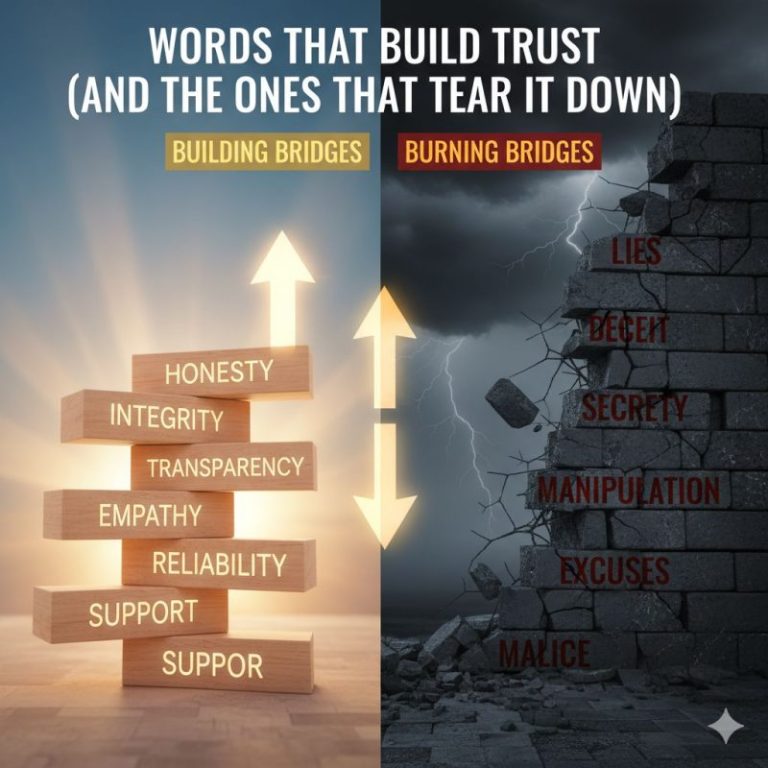
How Giving Space Builds Trust
Giving space tells your partner: I trust you enough to stand on your own, and I trust myself enough not to chase or collapse.
That kind of message builds safety. And safety builds trust.
By creating emotional room, you let your partner breathe, reflect, and feel your respect without pressure. You also allow yourself to stop spinning in desperation and reconnect to your own truth.
Every man we’ve worked with who made this shift saw one thing: space, handled with courage, opened the door to something better.
When to Give Space and When to Stay Present
There’s a skill to knowing when your partner needs distance and when they need your quiet presence. It’s not about disappearing—it’s about discernment.
Using your values as a compass helps you know when to step back and when to stand firm.
We coach men through these decisions daily. One client, Dan, was separated and still living under the same roof as his wife. Every instinct told him to beg her to talk. But through coaching, he learned to listen for what wasn’t being said. By creating distance and being consistent—not reactive—his wife eventually asked him to talk.
It’s not about pulling away. It’s about knowing how to be still without going silent.
Giving Space Without Disappearing
There’s a difference between giving space and ghosting. Your role as a man, a father, and a leader doesn’t stop just because someone asks for room.
Healthy separation means staying grounded and visible. That might look like a calm check-in text. Or a kind gesture that says, “I’m here when you’re ready.”
We teach men how to stay emotionally available while respecting boundaries. That’s how you stay in the game, even while stepping back.
The Role of Space in Rebuilding Relationships
Here’s the truth: nothing healthy grows in pressure. But with enough light, room, and time, things can heal.
By allowing space, you give your relationship a chance to reset. Old patterns lose their grip. New ones begin to form.
One of our clients, Mike, was heartbroken after his partner moved out. He wanted to call, to fix, to do something. But he gave space instead. We worked together to build his values, focus on fatherhood, and reclaim his sense of purpose. Months later, his partner said, “You’re different. I feel safe around you again.” That’s the power of space.
Common Mistakes Men Make When Giving Space
Giving space isn’t about waiting on the couch and hoping she comes back. It’s about growth. But some men make these mistakes:
- Using it as punishment
- Going silent and calling it “space”
- Getting angry when results aren’t instant
- Acting like they’re fine while quietly falling apart
That’s why support matters. You don’t have to guess. You can have a coach in your corner reminding you of your strength and direction.
How Northman Coaching Helps You Get This Right
We know how hard it is to hold back when your heart is breaking. We’ve been there. We created Northman Coaching because we lived this journey ourselves.
Through our Momentum and Legacy Builder programs, we help men master emotional regulation, reconnect with their kids, and show up as the man they’ve always wanted to be.
Giving space is just one of the tools. We help you use it well—so you can rebuild trust, rebuild love, and rebuild yourself.
Conclusion
The Strength It Takes to Give Space
Giving space isn’t weakness—it’s leadership. It shows your ability to hold discomfort, manage your emotions, and trust in the process of growth. That takes more strength than chasing or fixing ever will.
Choosing Respect Over Control
When you step back, you create a container for mutual respect. You stop controlling the story and start writing a new chapter—one where connection isn’t forced, it’s chosen.
What’s Possible When You Step Back
You get your power back. You reconnect with your values. And when reconnection happens, it’s real—not based on fear or pressure, but rooted in trust and emotional maturity.
Book Your Free Discovery Call Today
If this hit home for you, you’re not alone. At Northman Coaching, we walk with men just like you. Schedule your Free Discovery Consultation. No pressure. No sales pitch. Just a real conversation with a coach who understands.
Join our community for more tools, brotherhood, and real talk:
👉 Northman Legacy Crew Facebook Group
🎧 Living by Oak Values Podcast
FAQs
Q: What if I give space and they never come back?
A: Then you’ll still be better for it. Giving space is about your growth, not control. It helps you show up better—for yourself and your relationships.
Q: How long should I give space before reconnecting?
A: There’s no one-size-fits-all answer. It depends on the situation. What matters more is how you use that time—focus on your growth, not the outcome.
Q: What if giving space makes me feel abandoned?
A: That feeling is real and valid. But it’s also a signal to turn inward and build your foundation. You don’t have to go through that alone. We’re here to help.
Q: How do I know if I’m doing it right?
A: If you’re being respectful, staying consistent, and working on yourself—you’re on the right path. Coaching helps you fine-tune this in real time.
Q: Is giving space the same as ignoring someone?
A: No. Ignoring comes from disconnection or punishment. Giving space comes from respect and emotional strength. It’s intentional, not avoidance.
Q: Can giving space help if we’re already divorced?
A: Absolutely. Whether you’re rebuilding a relationship or simply trying to co-parent better, giving space can reset the tone and lead to healthier dynamics.